De Voordelen en Valkuilen van Cross-Legacy Boundary Spanning

Photo by Alex Radelich on Unsplash
Stefan Breet & Lotte Glaser
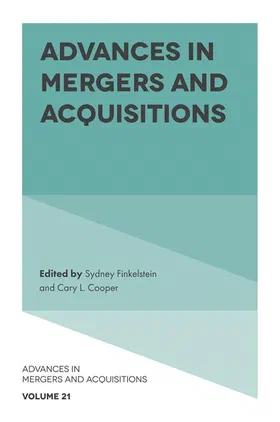
In Advances in Mergers and Acquisitions, Vol. 21, pp. 1-15 · Emerald Publishing Limited · 2022
De integratie van twee fuserende bedrijven blijft een grote uitdaging. Werknemers die sociale relaties ontwikkelen met collega’s van beide organisaties (de “cross-legacy boundary spanners”) worden doorgaans gezien als belangrijke integrators, omdat ze het integratieproces ondersteunen. Het opbouwen en onderhouden van relaties met mensen van verschillende organisaties vereist echter veel tijd, toewijding en inspanning.
Om de voordelen en valkuilen van boundary spanning na een fusie of overname beter te begrijpen, hebben we een boekhoofdstuk geschreven waarin de structurele en sociaal-culturele dimensies van boundary spanning worden geïdentificeerd en beschreven. We leggen ook uit hoe deze dimensies het succes van het integratieproces na de fusie beïnvloeden.
Academische Samenvatting
Scholars typically view cross-legacy boundary spanners – employees who develop and maintain social relationships with coworkers from both legacy organizations – as the key integrators in mergers and acquisitions (M&As). Organizations even formally appoint employees with cross-legacy responsibilities to support the post-merger integration process. Recent research has started to emphasize, however, how difficult it can be to reap the benefits of a boundary-spanning position. Building and maintaining formal or informal boundary-spanning ties is costly because it requires time, attention, and political savviness. To better understand the perks and pitfalls of cross-legacy boundary-spanning, the authors identify and describe its structural and sociocultural dimensions and explain how they influence cross-legacy boundaryspanning in M&A contexts. The authors argue that the two dimensions can be seen as boundary conditions to the positive relationship between cross-legacy boundary-spanning and post-merger integration. This chapter highlights the potential dark side of cross-legacy boundary spanning and proposes a multidimensional model to explain how cross-legacy boundary spanners can avoid the pitfalls and promote the perks of their position in support of successful post-merger integration.
